


Contents
For the first time in my life, I feel like the promise of software freedom has a chance to become reality. Thanks to AI (and yes, I know putting the words “software freedom” and “AI” next to each other feels really dirty). But hear me out.
I’m a gadget guy, but I’m cheap. So most of my "tech junk"collection is old or low-cost stuff. I have collections of old laptops, android devices, a PinePhone, various bluetooth gadgets, and some disassembled second-hand e-readers. Every now and then when there’s a block of time, I use them to do something “cool”. I’ve use the tablets and e-readers to make photo frames, self-hosted various application servers on whatever I could get running linux with wake-on-AC at any given time, and made all sorts of one-off projects.
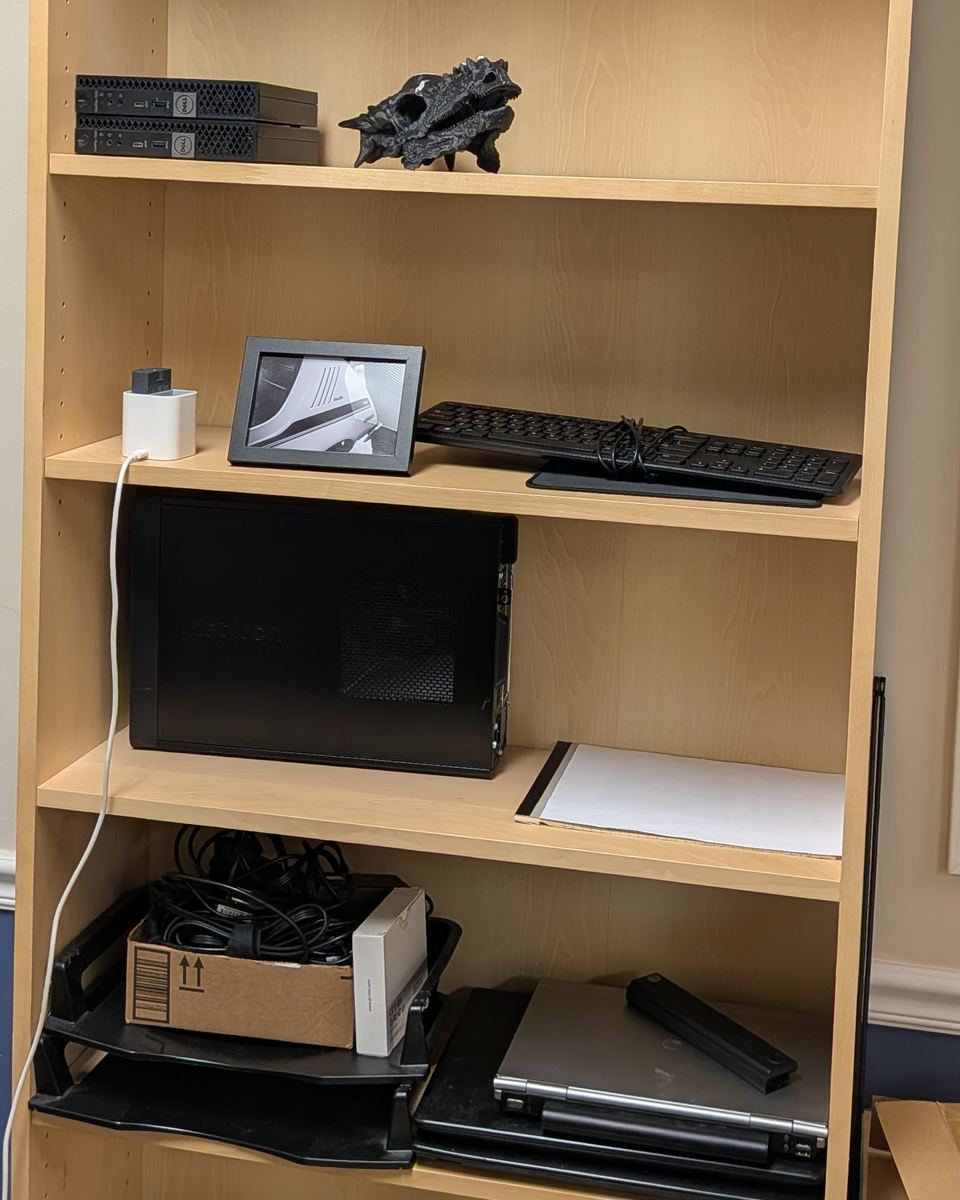
So, knowing what I *could* do with my hardware, given enough time was great, but the problem was always the time and effort side of it. My life doesn’t have a lot of spare time, so being able to do anything properly and contributing back to open source projects was often not feasible.
I can projects now
Honestly, Claude Opus 5.5 (And to a lesser extent, GLM 5.3). Opus is *really* good at both software development and sysadmin tasks, which means it can both provision devices and develop for them.
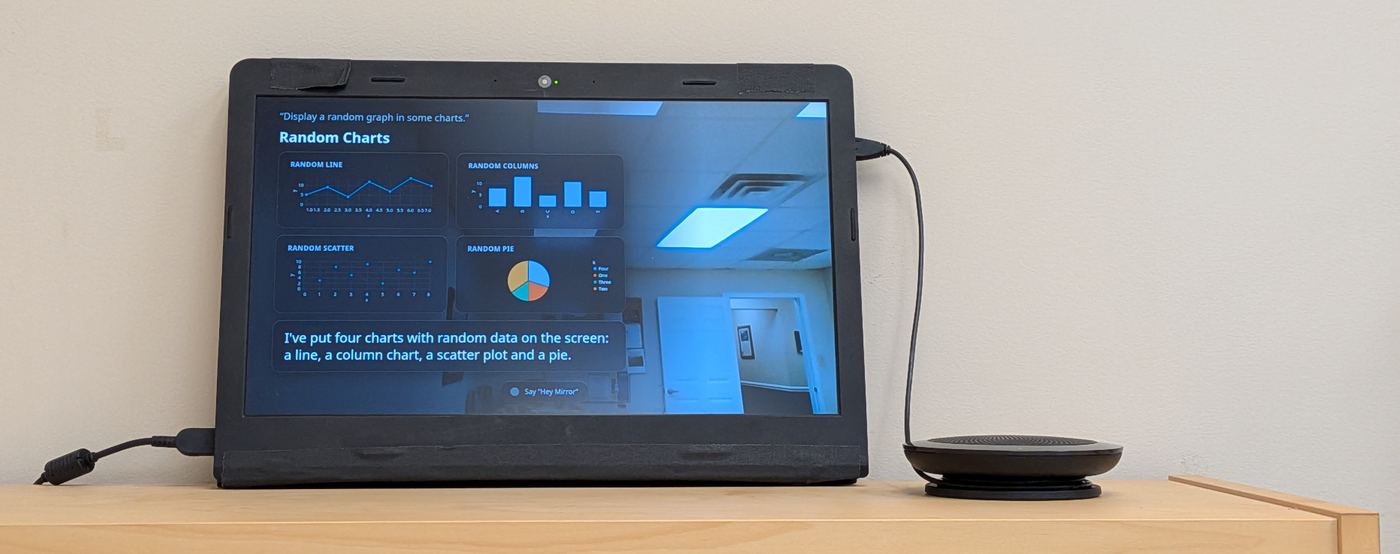
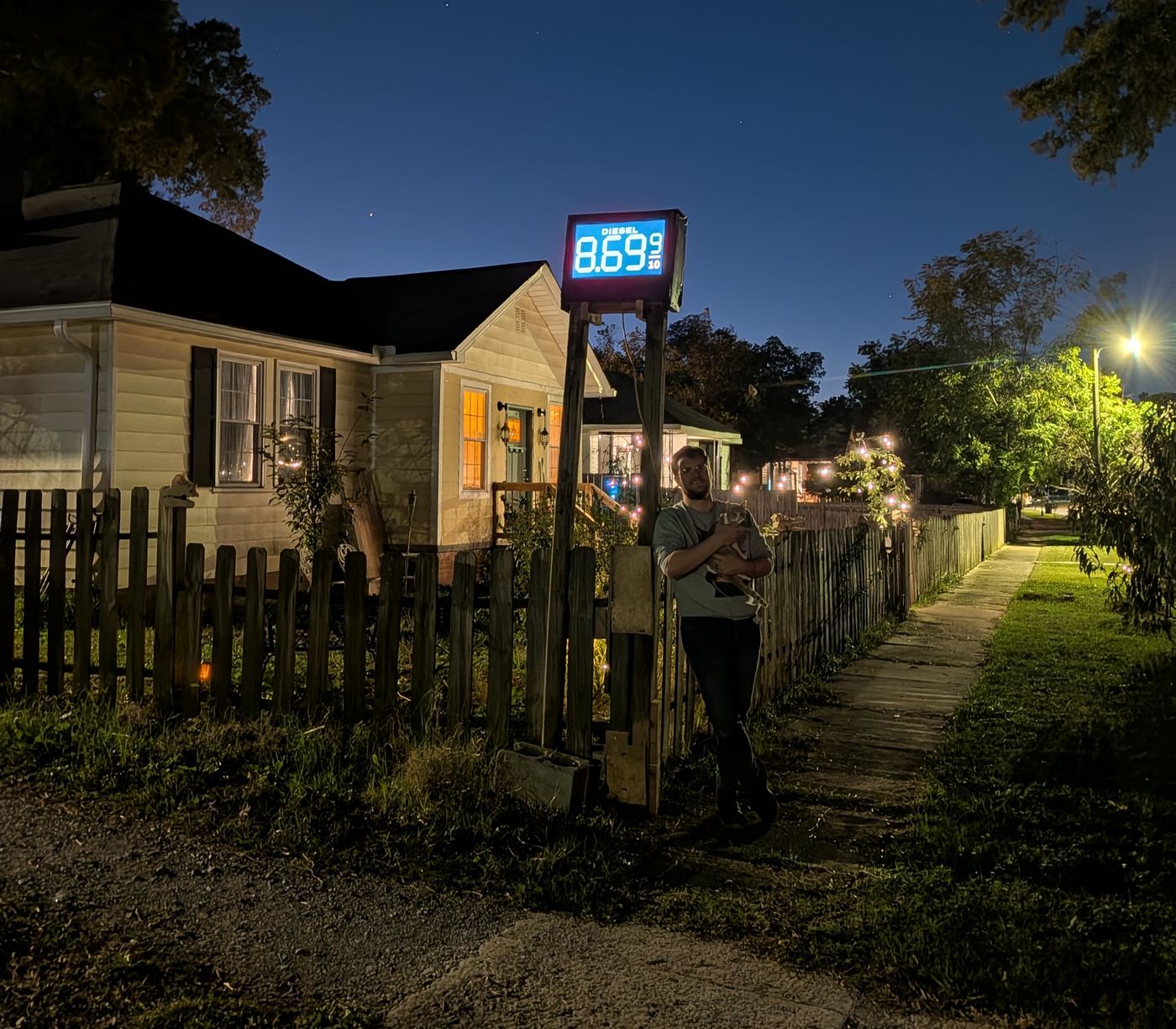
As I have ideas that I can match with hardware, I just ask Opus to set them up. I’ve done this with two old laptops that had no issues other than broken hinges. Opus built self-installing Debian images that boot into a single application, with key-based SSH access. I turned one into a “magic mirror” AI assistant at work, connected to our internal tooling. Another is now a silly “High gas prices” Halloween decoration. (The scariest thing for Americans)
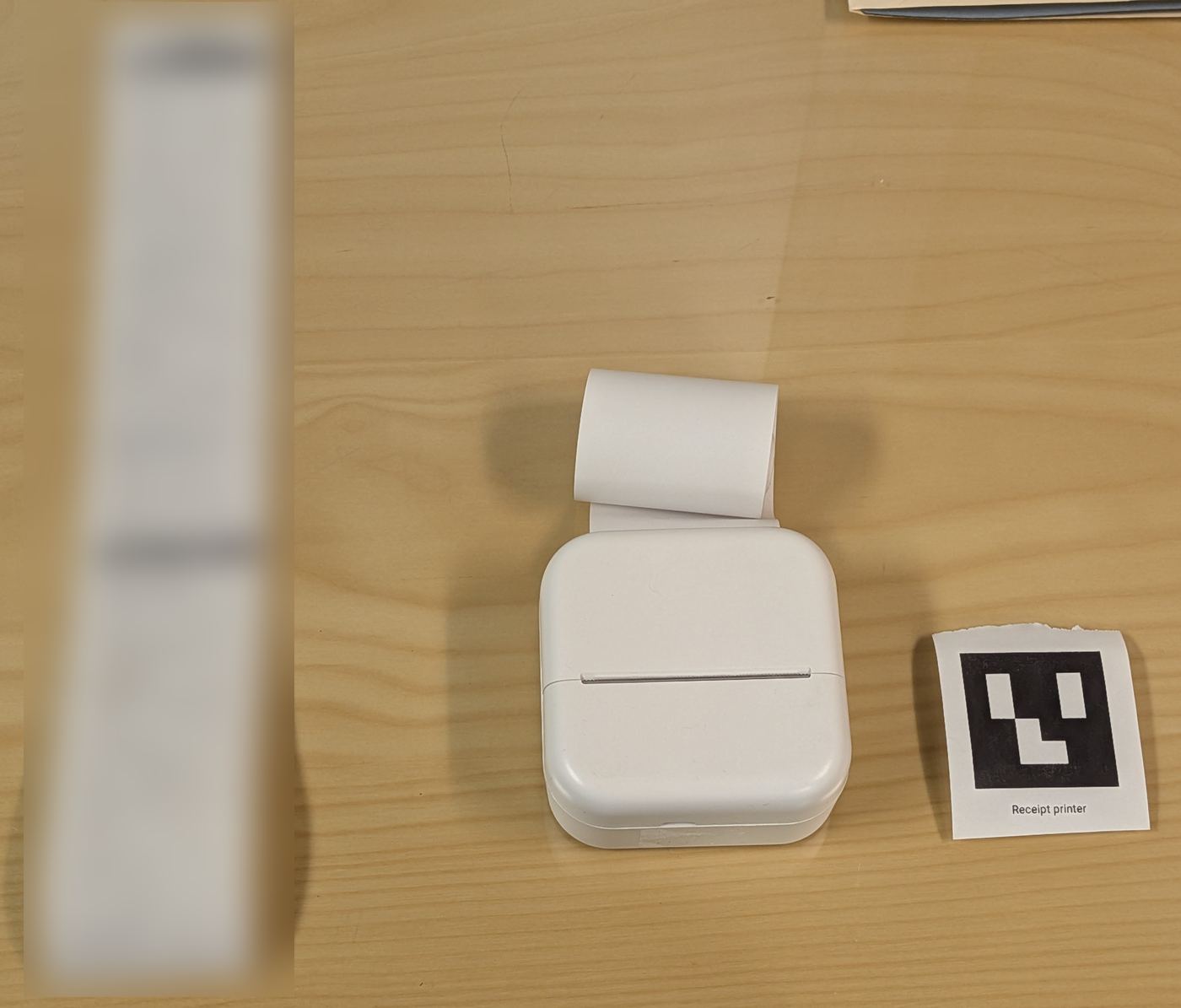
There are tons of no-name < $10 Bluetooth thermal printers that work over BLE on the market, but have subtle driver differences. Claude found and/or built drivers for them, and now I can print to them from my computer, the magic mirror, phone, and even web pages. I use one at work whenever I need a paper copy of something small.
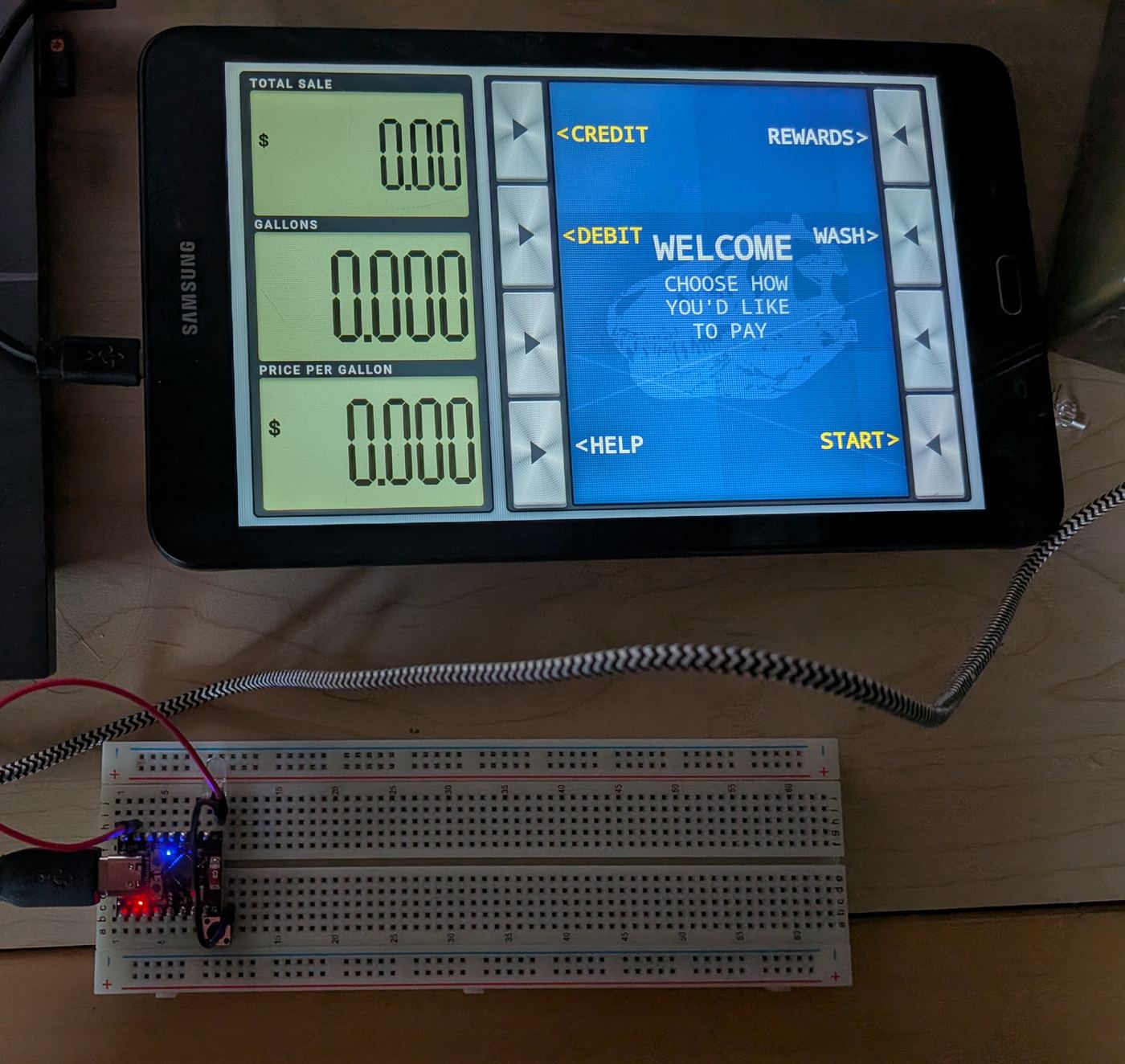
An old, carrier-locked Android tablet is becoming the screen of a gag gas pump to compliment the sign sign, and is connected to ESP32 BLE buttons and the other thermal printer, for printing gas “receipts” and stickers for neighborhood kids.
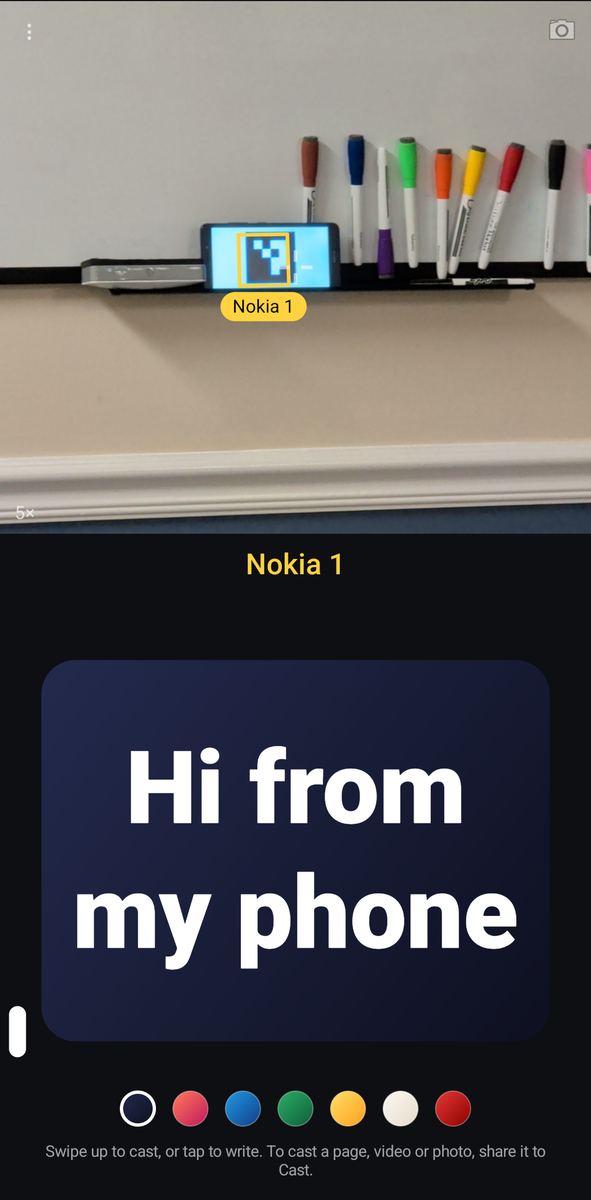
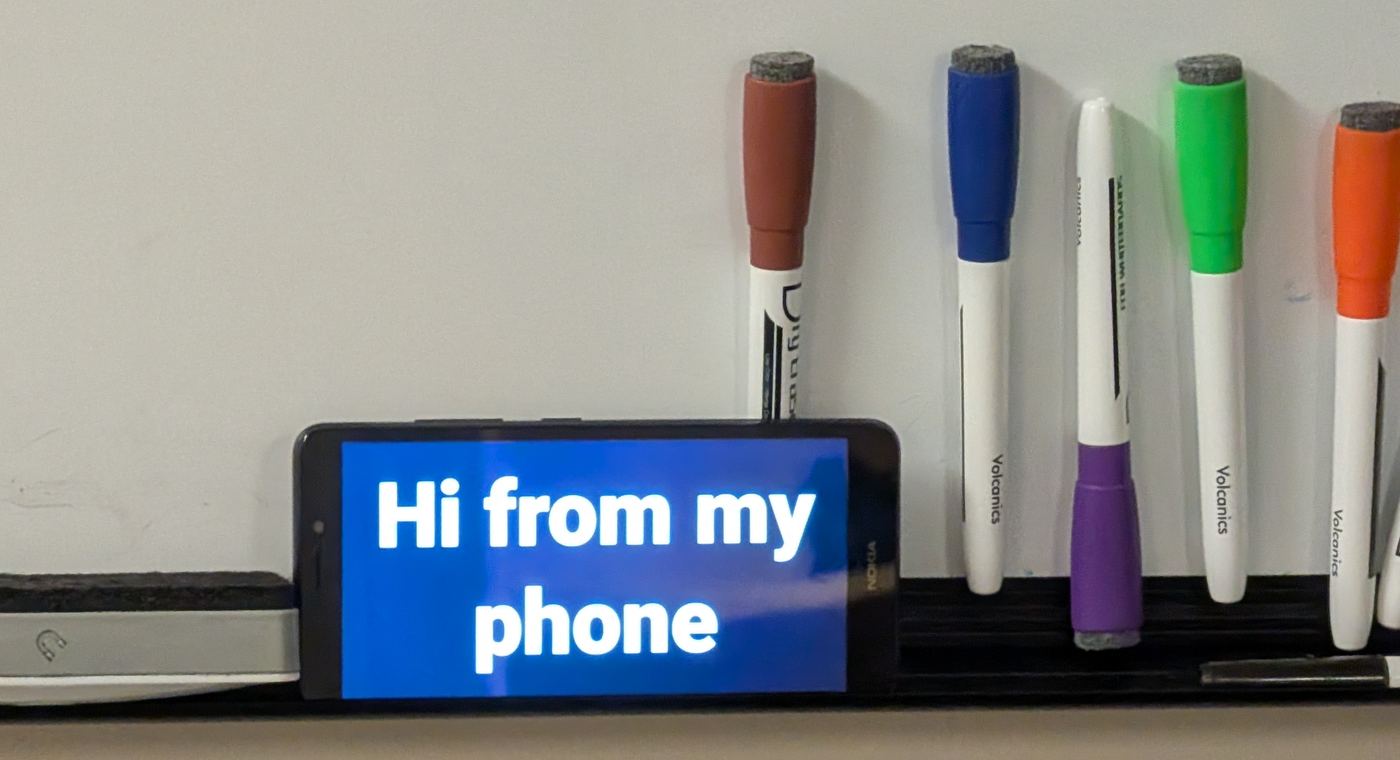
My bottom-barrel prepaid Nokia C100s have ADB over Wi-Fi turned on, so my main laptop and phone can reach them on the network and do whatever they want with them. They’ve become my test bench for mobile computing ideas. One runs an always-on AI assistant that I talk to like a walkie-talkie, and the other is a receiver for casting text, images, video, and websites to the phones over BLE and Wi-Fi. Each device has a fiducial marker on it, and my phone picks which device to cast to purely from the camera. (The thermal printer and mirror laptop work as a cast targets as well). It feels very futuristic.
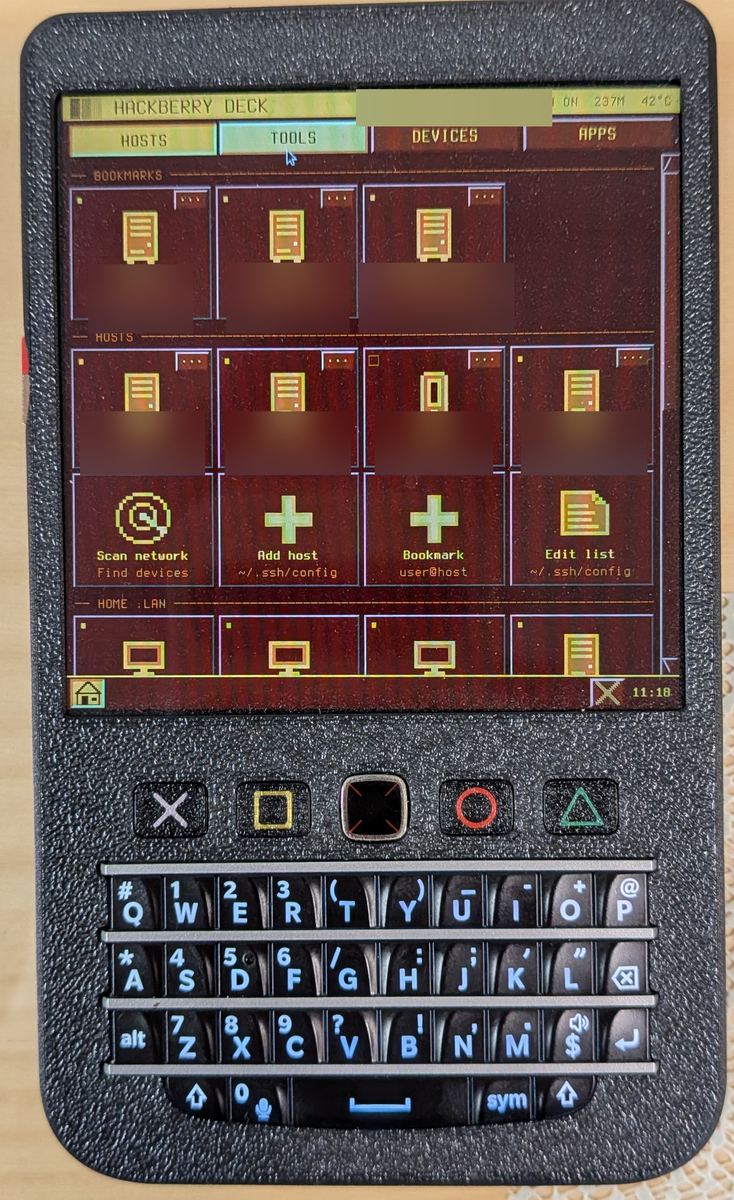
My Hackberry Pi functions as a control center for administering all of my devices remotely.
Technically, I knew how to do each one of these projects. But the time and debugging investment was generally prohibitive. Being able to describe my vision to Claude and have it do the legwork has allowed me to explore all sorts of crazy ideas I never would have had the time to do otherwise.
The platonic ideal of owning your own hardware
Thanks to my dad, I grew up on Linux and open source software. The idea that your computer should do what you want was very well drilled into my head. You should be able to run whatever you want on any of your devices, tweak it and share it. Open source software has long been the tradition for rescuing manufacturer EOL’d hardware.
But the problem is that freedom to tinker is only useful if you physically have the time and skills to do so. For most people, and for me most of the time, either the skills or the time are not easy to come by. So only people who had the luxury of both could afford to exercise their freedoms.
Open hardware has had a similar problem from the other side. I’m a huge fan of Pine64 and have a PinePhone. They usually release devices before the software/firmware is done. Which is incredibly cool, but means that to actually use the device you purchase, you have to put a lot of work into getting it ready.
The self-hosting community is sort of in the same place. It’s been possible for ages to run solid self-hosted cloud services, sites, and other random software. I’ve been running NextCloud for ages, and more recently Immich and whatnot. But it has the same problem. Every service is something you have to set up, secure, keep up to date, and wire up to everything else you want it to talk to. For most people, that’s too much time and effort.
If writing, maintaining, and deploying software stops being the hard part, all three of those gaps start closing. The freedoms we value become accessible to a much wider range of people, and they will be able to use them on a wider range of otherwise “waste” devices.
The future is open hardware and software freedom?
For the past several decades locked-down devices and walled gardens were winning on convenience. Setup was easy, as long as you stayed with one vendor, and one account covered everything. I think that advantage gets a lot weaker if:
- It becomes vastly easier to set up your own infrastructure and applications, without deep technical knowledge or tons of debugging.
- Getting all of your applications, devices, and systems to talk to each other turns out to be more valuable to an individual than any one vendor’s system can. We’re already seeing this where suddenly tons of vendors have opened up their SASS software and tooling to AI providers, because people want all of their systems to talk to each other, and the vendors don’t want to get left behind in an AI-first world.
My casting system is a small example. No one vendor supports casting to every other vendor’s devices. Yet my system can deploy it on almost every device I own that supports Wi-Fi or Bluetooth, giving me the ability to “cast” text and media to anything I can find lying around.
If this trend holds, I think there’s a good chance open hardware with easily accessible APIs and standardized security controls starts to win, where as long as you can prove you’re the device owner or an authorized user, you can do whatever you want with a device.
Devices would then likely move to be fairly dumb platforms (a screen, audio, an input method, some sensors, a basic MCU) that get provisioned remotely by users with whatever application they want running on them, custom or not. When the need changes, the device gets repurposed. E-waste becomes an asset again, and AI-written software becomes the glue that makes random bits of technology integrated, interesting, and useful.
This is *fun*
I’d been building random software projects with AI for a year or two now. A CAD app, a port of OrcaSlicer to the web budgeting apps, and even tabletop game. That has been super fun, but being able to bring that same sort of rapid ideation, iteration, and control to the physical hardware world has scratched the software freedom itch I’ve always had.
I hope it isn’t long before vendors discover there’s a market for devices that are “whatever you want”, and start selling unlocked hardware that’s easy to provision, so people can own their own computing without needing a ton of knowledge to jump through all the hoops. Anyone want to work on that with me?
(This post written mostly by human. That why read bad.)